
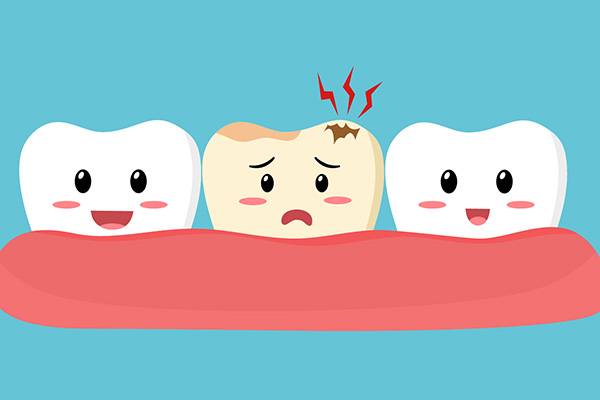
A general dentist offers many treatment options for cavities. Having cavities is not the end of your tooth's life. The right treatment from your general dentist can restore your tooth. For fissure and pit cavities: The general dentist often finds these cavities on the chewing surfaces. It is easier for food particles and plaque to get into grooves and crevices on the cusps of teeth. People who do not brush often develop these cavities. The dentist can apply dental sealants on the back teeth to protect the chewing surfaces. Fissure and pit cavities can receive treatment with fluoride with early detection. For deeper cavities, the dentist will remove the decayed dental tissue. This will involve drilling. The deep fissure cavities may also get dental crowns or root canal treatment. For root cavities: A general dentist sees these as common cavities in older adults or seniors with receding gums, leaving roots more vulnerable to decay. The dentist treats root cavities by removing the decayed parts of the tooth and filling the cavity. An infected pulp must have root canal therapy. For smooth-surface cavities: These cavities affect the flat, outer surfaces of the teeth. Fluoride treatments often reverse these cavities. Fillings can correct shallow smooth-surface cavities. Summary: The general dentist will provide preventive measures for patients with early-onset cavities. Dental sealants protect teeth from cavity formation. Larger cavities need tooth-colored fillings. Deeper cavities need root canal treatments. Dental crowns will go over teeth with large cavities and weak dental structure.
Explore more posts

How Does Laser Dentistry Make My Surgical Procedures More Comfortable?
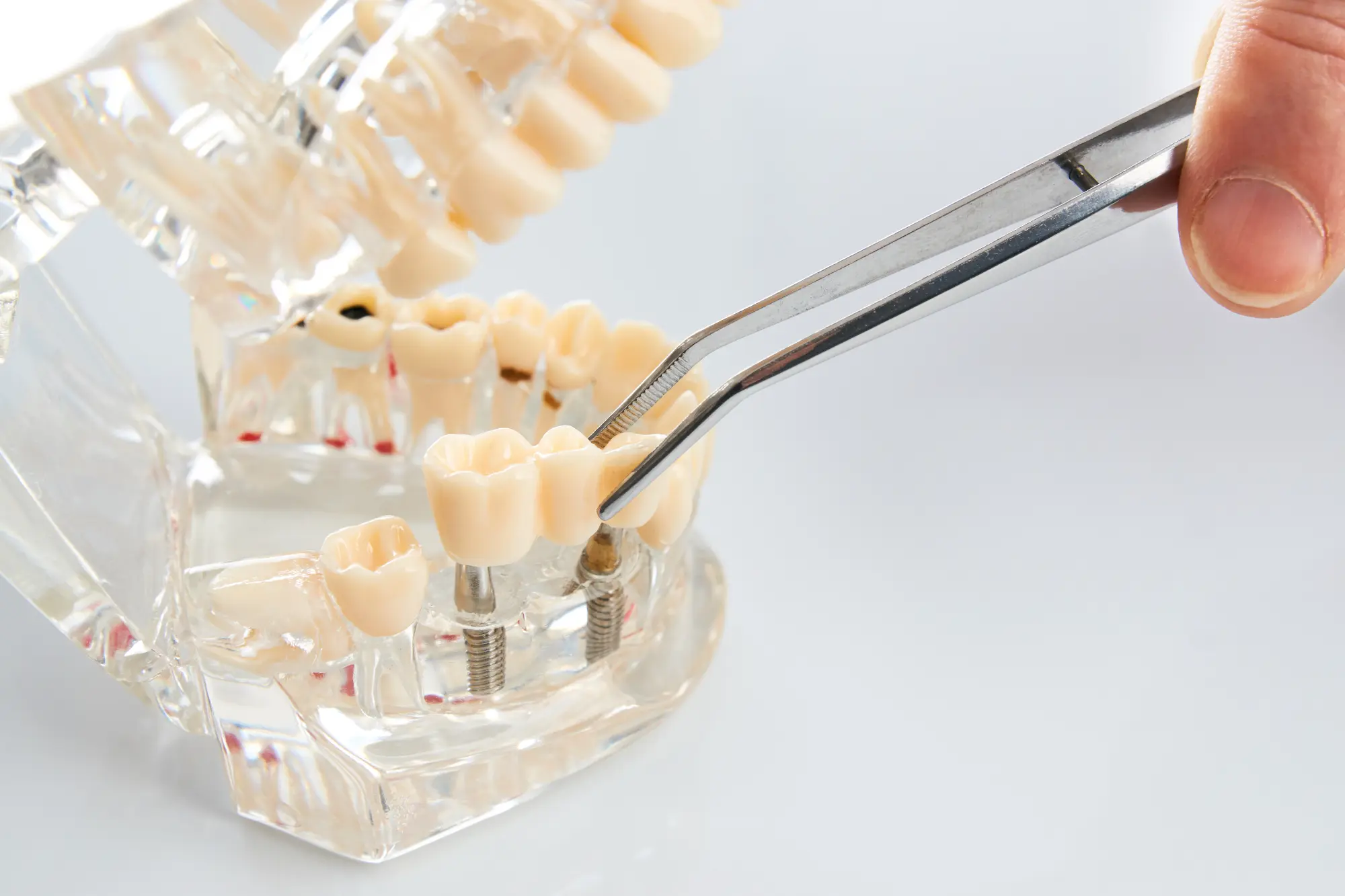
Am I a Candidate for Dental Implants at Rohrbach Family Dental?

What Happens if I Need an Emergency Tooth Extraction in Pottstown?
Ready to schedule your appointment?