
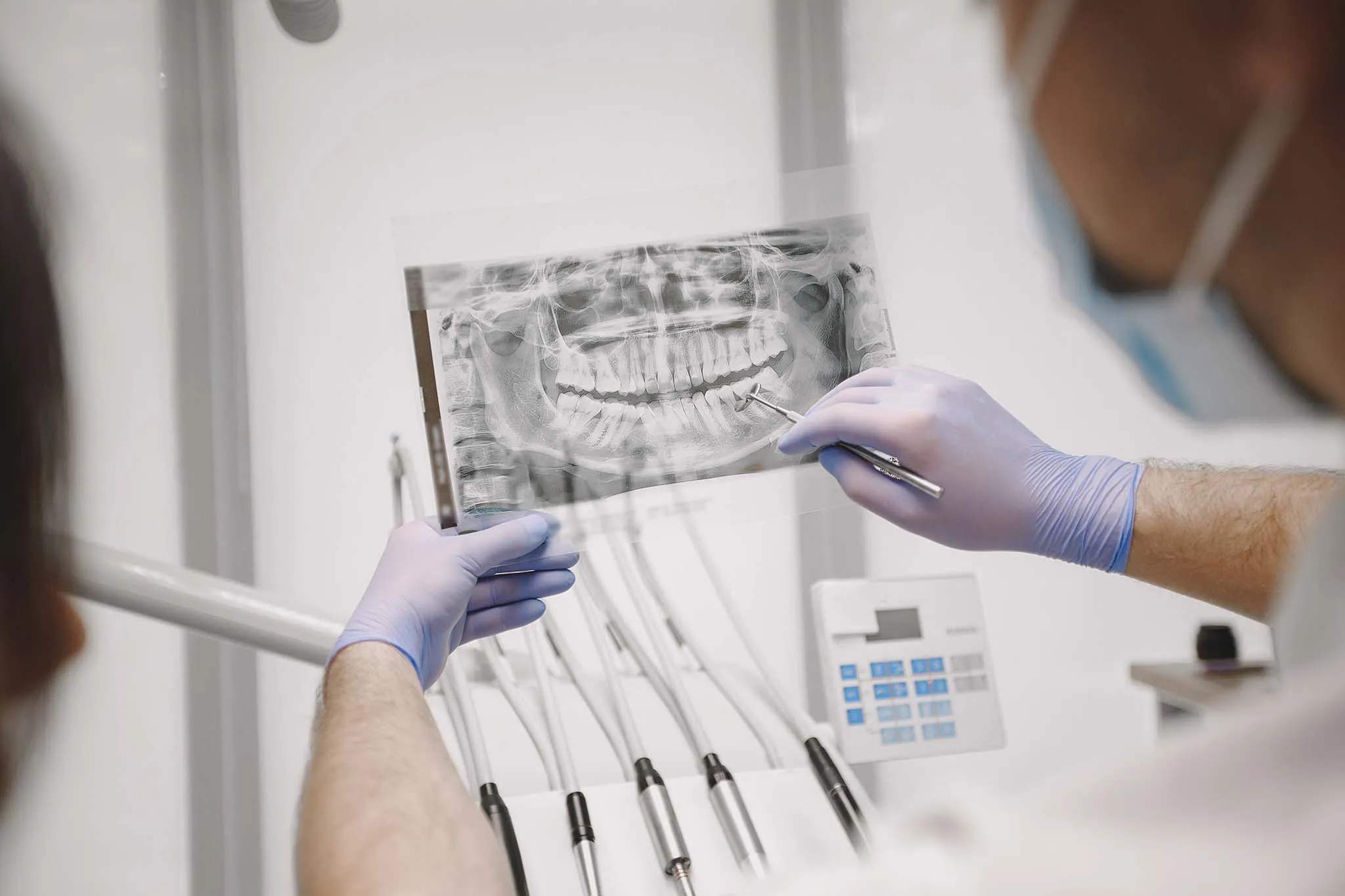
Your TMJ or temporomandibular joint attaches your lower jaw to your skull. A problem with your TMJ can make dental functions difficult. The dentist will examine the patient and take a thorough history of symptoms, which may include jaw pain, headaches, clicking or popping of the jaw, and difficulty opening or closing the mouth. Common treatments include pain management with medications, a custom night guard or splint to prevent teeth grinding and reduce jaw tension, physical therapy to stretch and strengthen jaw muscles, and lifestyle changes such as eating soft foods. In severe cases, dental corrections to improve bite alignment or surgery may be considered.
Explore more posts
October 5, 2026
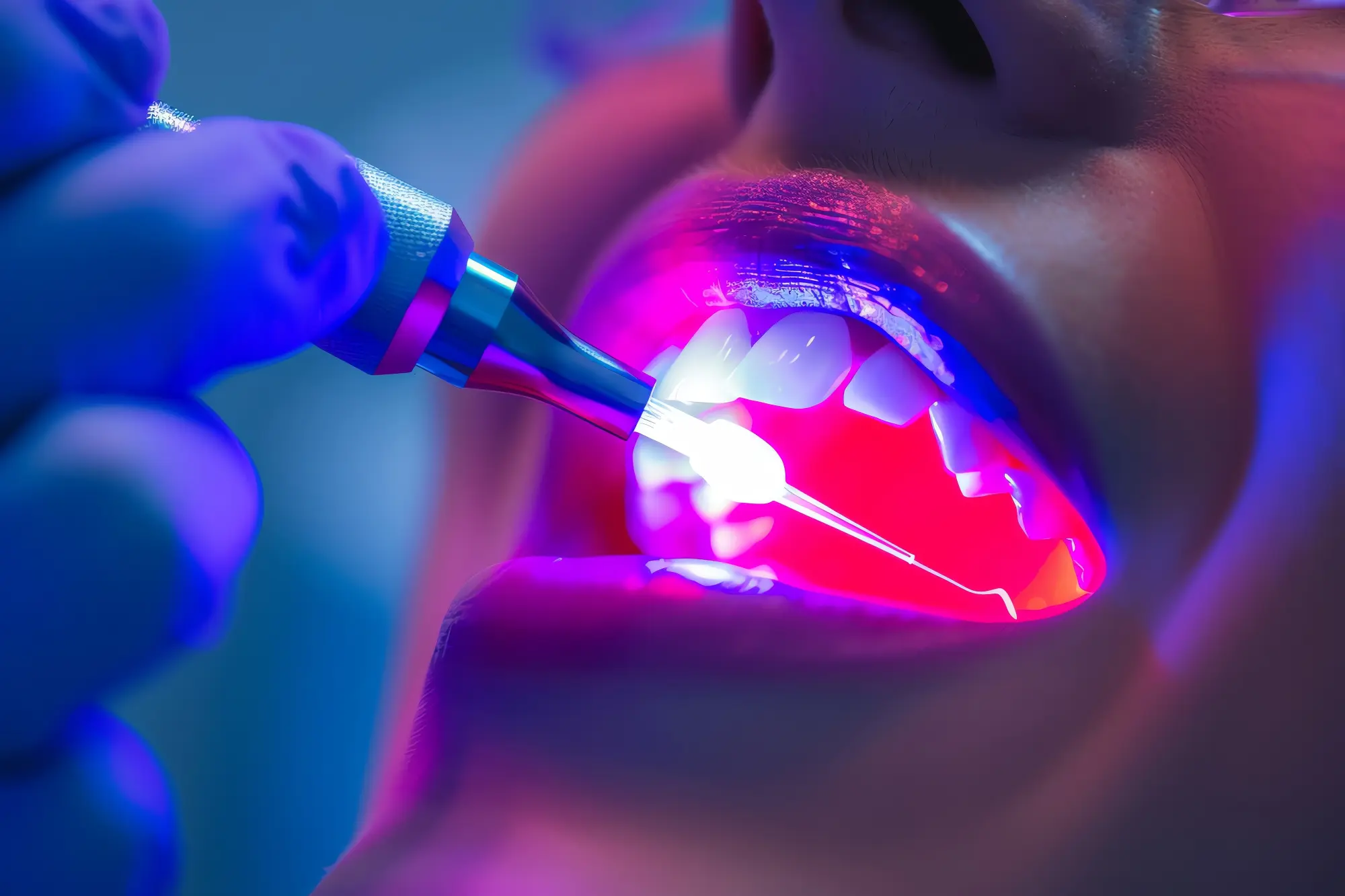
How Does Laser Dentistry Make My Surgical Procedures More Comfortable?
Have dental procedures made you feel uneasy or even fearful in the past? You’re not alone.
October 5, 2026
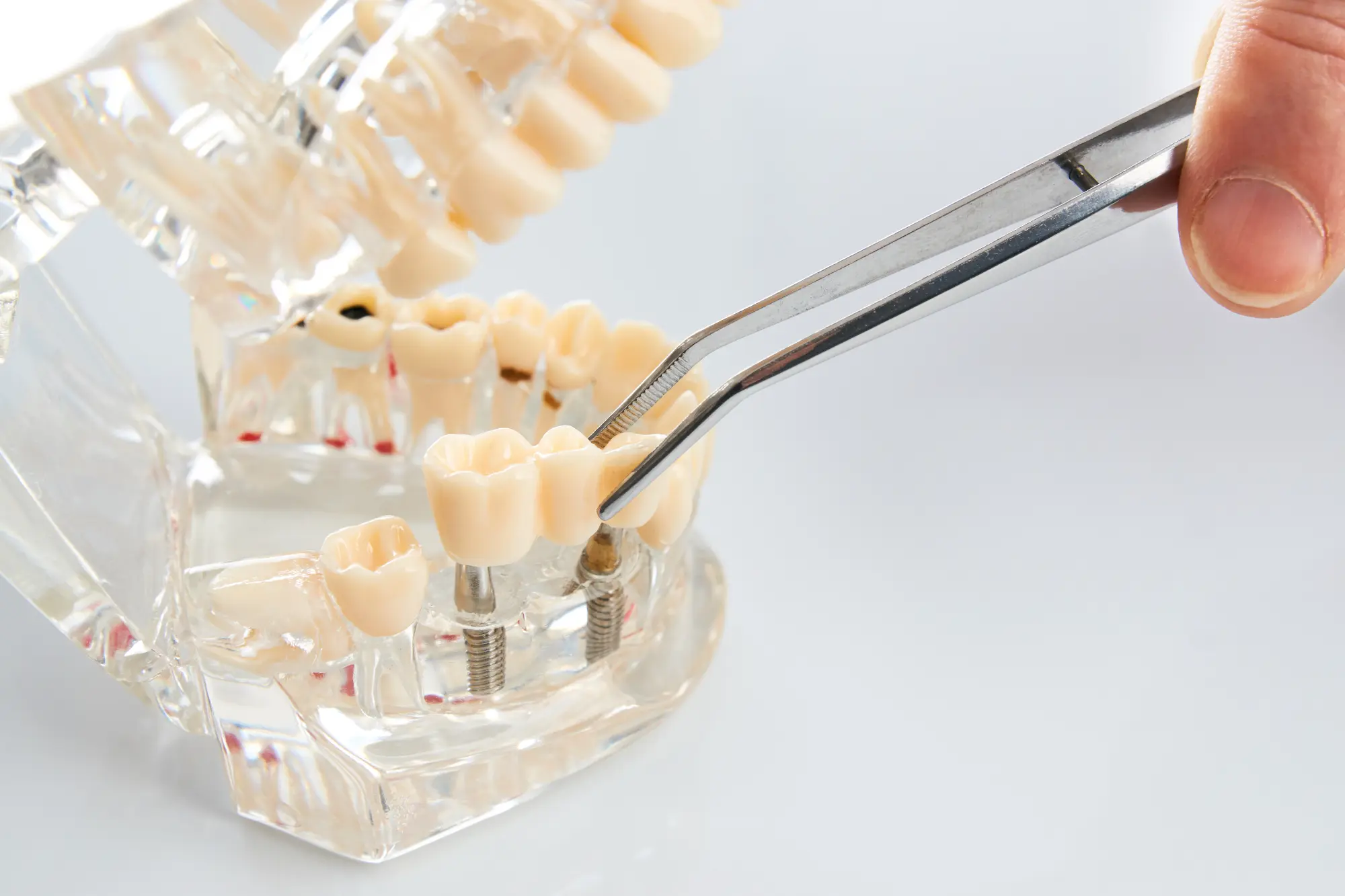
Am I a Candidate for Dental Implants at Rohrbach Family Dental?
Missing teeth don’t just impact your smile. Tooth loss also affects your confidence, health, and even your daily life.

August 25, 2026
What Happens if I Need an Emergency Tooth Extraction in Pottstown?
There’s nothing more unsettling than waking up with a throbbing toothache or dealing with an accidental injury that leaves your tooth damaged.
Ready to schedule your appointment?