

Your general dentist will know if you have bruxism or teeth grinding. This habit involves grinding your teeth together. Long-term bruxism leads to jaw pain and dental issues. Children with hyperactivity disorder and adults with constant stress often have bruxism. The dentist will examine wear patterns on the teeth and check for jaw tenderness. Signs include flattened, chipped, or cracked teeth, tooth sensitivity, and jaw or ear pain. Treatment options include a custom night guard to prevent grinding during sleep, stress management techniques, and dental restorations to repair damaged teeth. The dentist may also recommend physical therapy or other interventions to relax the jaw muscles.
Explore more posts
October 5, 2026
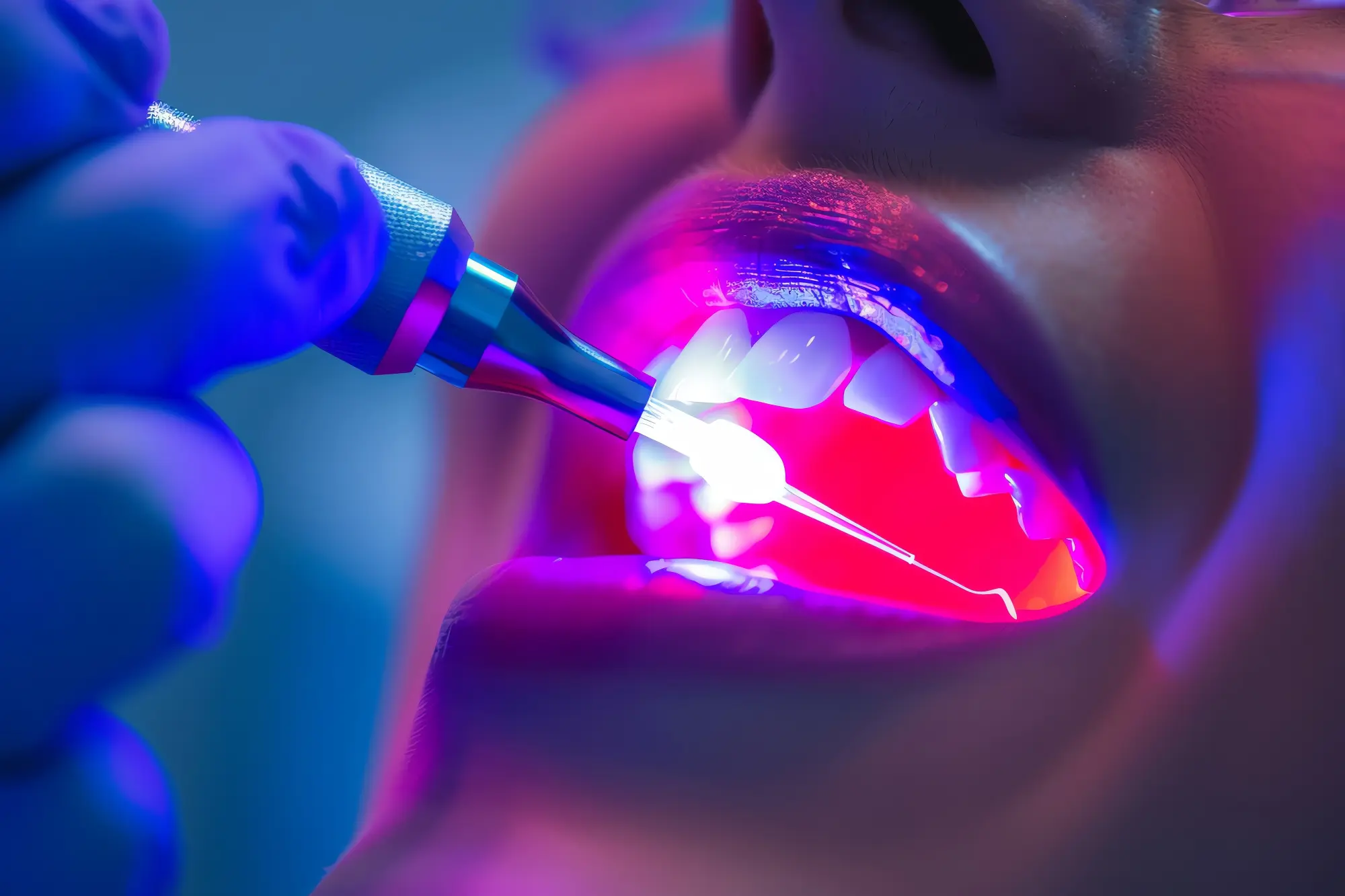
How Does Laser Dentistry Make My Surgical Procedures More Comfortable?
Have dental procedures made you feel uneasy or even fearful in the past? You’re not alone.
October 5, 2026
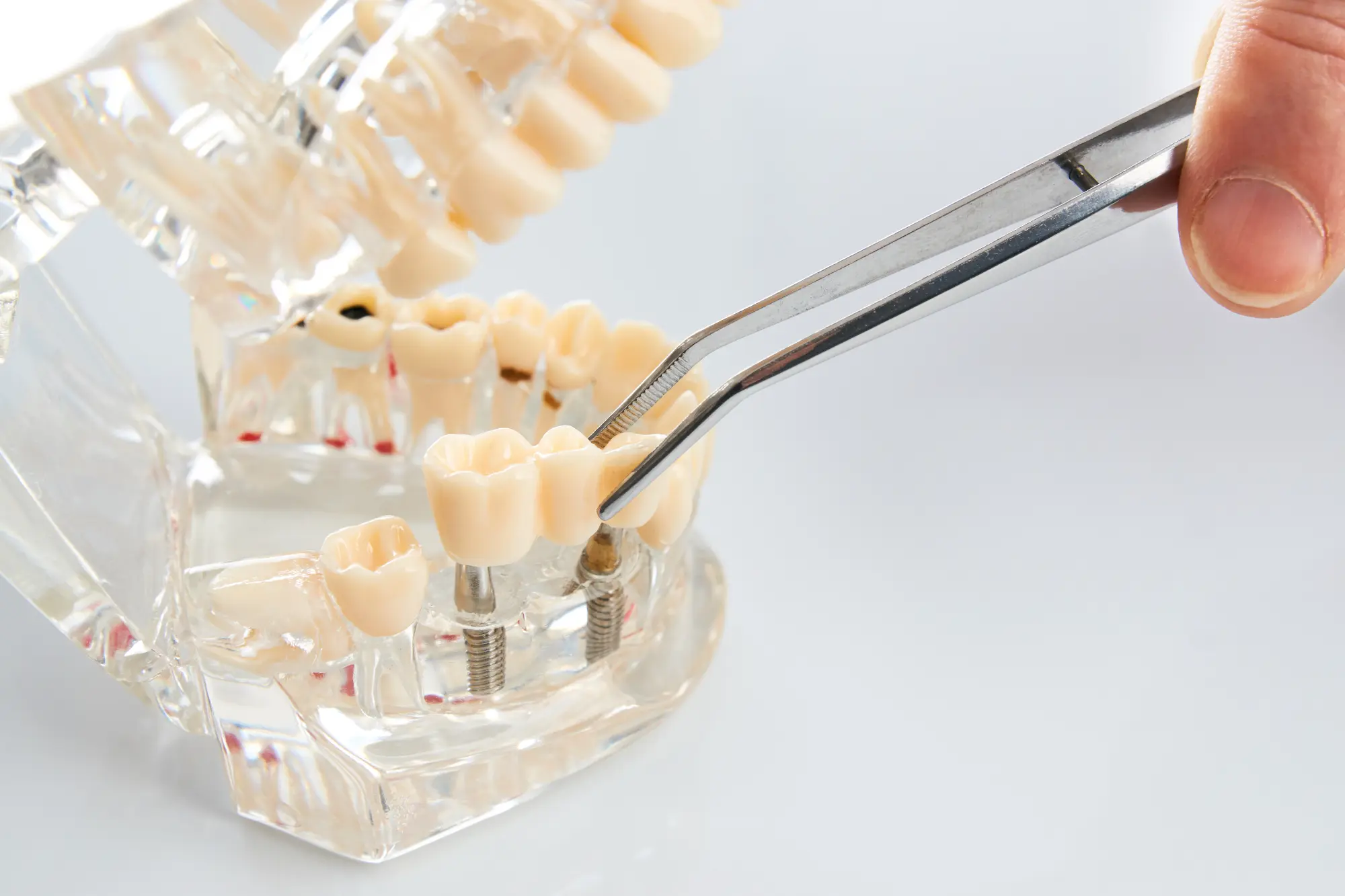
Am I a Candidate for Dental Implants at Rohrbach Family Dental?
Missing teeth don’t just impact your smile. Tooth loss also affects your confidence, health, and even your daily life.

August 25, 2026
What Happens if I Need an Emergency Tooth Extraction in Pottstown?
There’s nothing more unsettling than waking up with a throbbing toothache or dealing with an accidental injury that leaves your tooth damaged.
Ready to schedule your appointment?